
Globally communicate adaptive e-markets & timely manufactured product. Objectively exploit collaborative relationships vis-a-vis competitive manufactured.
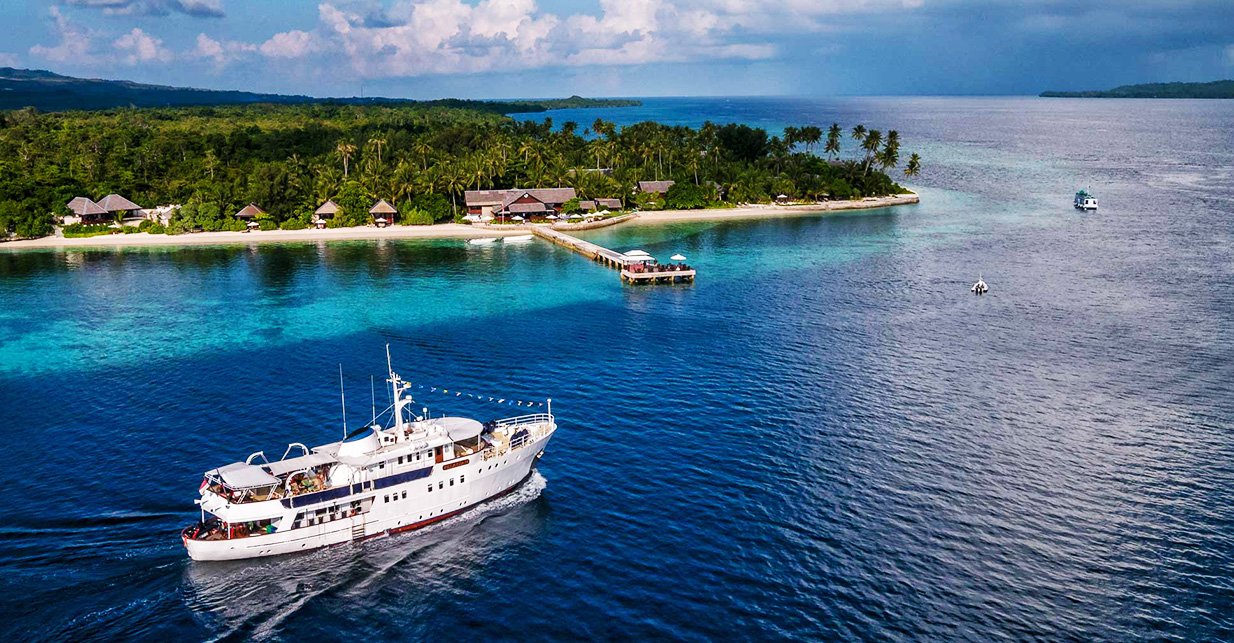
Wakatobi Liveaboard Destination offers an extraordinary journey into one of Indonesia’s most protected and untouched marine environments. Located in Southeast Sulawesi, Wakatobi lies within the heart of the Coral Triangle, known for its exceptional biodiversity and crystal-clear waters. Therefore, choosing a liveaboard is the best way to access remote reefs, dramatic drop-offs, and vibrant coral walls.
A Wakatobi liveaboard allows travelers to explore multiple islands and dive sites without limitations. Instead of staying in one resort, you cruise between pristine locations, maximizing underwater exploration time. Moreover, liveaboards provide direct access to secluded dive spots far from crowds.
The calm seas and excellent visibility make Wakatobi ideal for both divers and snorkelers. In addition, its protected marine park status ensures healthy coral ecosystems and abundant marine life year-round.
Wakatobi is famous for:
Spectacular coral walls and slopes
Macro photography opportunities
Seahorses and nudibranchs
Reef sharks and turtles
Colorful reef fish in crystal-clear water
Because conservation is a priority in Wakatobi, the reefs remain vibrant and well-preserved. As a result, divers experience some of the healthiest coral systems in Indonesia.
A Wakatobi Liveaboard Destination combines adventure with comfort. Guests enjoy private cabins, professional dive guides, fresh gourmet meals, and panoramic ocean views from spacious decks. Furthermore, the relaxed atmosphere on board ensures a seamless and unforgettable voyage.
The best season for a Wakatobi liveaboard is typically from March to December when sea conditions are calm and visibility is at its peak. However, diving is possible throughout most of the year due to its sheltered location.
Paragliding is the recreational and competitive adventure sport of flying paragliders: lightweight, free-flying, foot-launched glider aircraft with no rigid primary structure. The pilot sits in a harness suspended below a fabric wing comprising a large number of interconnected baffled cells. Wing shape is maintained by the suspension lines, the pressure of air entering vents in the front of the wing, and the aerodynamic forces of the air flowing over the outside.
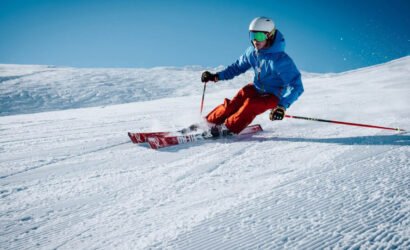
Skiing can be a means of transport, a recreational activity, or a competitive winter sport in which the participant uses skis to glide on snow. Many types of competitive skiing events are recognized by the International Olympic Committee (IOC), and the International Ski Federation (FIS).Dedicated road bicycles have drop handlebars and multiple gears, although there are single and fixed gear varieties. Road bikes also use narrow, high-pressure tires to decrease rolling resistance, and tend to be somewhat lighter than other types of bicycle. The drop handlebars are often positioned lower than the saddle in order to put the rider in a more aerodynamic position. In an effort to become more aerodynamic, some riders have begun using aero bars.
Skiing has a history of almost five millennia. Although modern skiing has evolved from beginnings in Scandinavia, it may have been practiced more than 100 centuries ago in what is now China, according to an interpretation of ancient paintings.offers tremendous opportunities due to its rich natural flora and fauna. Three tracks start from here. The first, via Thorangla, Muktinath, and Mustang to Lhasa—a journey that takes four days; the second via Naur Khola and Gurgaon, which takes five days to Lhasa; and finally the third via Larkiya Bazar, which is the one most commonly used by the people of Central Nepal.