
Destinations:Halmahera

Halmahera Destination Liveaboard
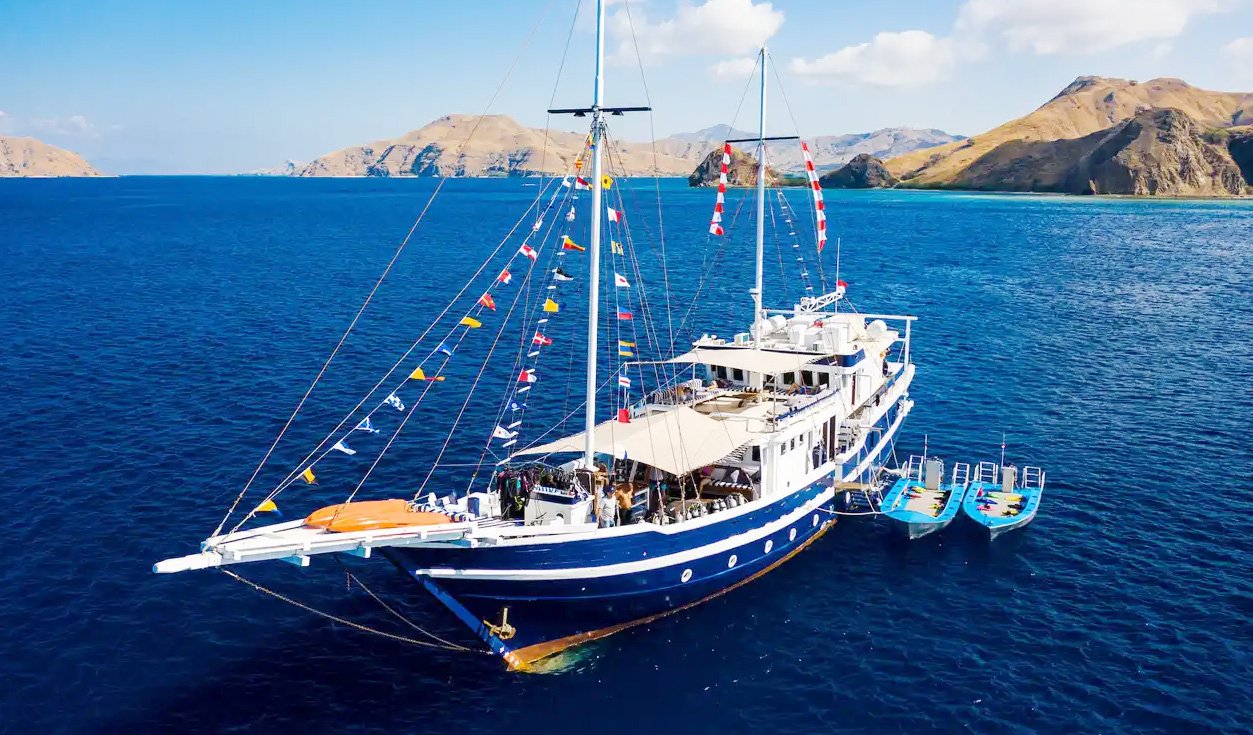
Halmahera destination

Halmahera Destination Liveaboard – Remote Diving in North Maluku

Halmahera Destination Liveaboard offers an exclusive expedition into one of Indonesia’s least explored marine regions. Located in North Maluku, Halmahera sits between the Pacific Ocean and the Halmahera Sea, creating nutrient-rich waters that support exceptional marine biodiversity. Therefore, it is a prime destination for divers seeking untouched reefs and rare underwater encounters.

Why Choose a Halmahera Liveaboard?

A liveaboard is the best way to explore Halmahera’s remote dive sites, hidden bays, and volcanic island landscapes. Instead of staying in one location, guests cruise between pristine reefs, maximizing dive time and accessing areas unreachable by land. Moreover, fewer boats mean more privacy and authentic exploration.

Spectacular Marine Life & Coral Diversity

Halmahera is known for:

  • Vibrant soft coral gardens

  • Hammerhead sharks (seasonal sightings)

  • Reef sharks and schooling pelagics

  • Macro marine species for photography

  • Crystal-clear waters with excellent visibility

Because the region remains relatively undiscovered, coral reefs are healthy and thriving. As a result, divers experience dramatic walls, pinnacles, and colorful reef systems rarely seen elsewhere.

Comfort & Adventure Combined

A Halmahera Destination Liveaboard blends wilderness adventure with refined comfort. Guests enjoy private cabins, professional dive guides, fresh cuisine, and panoramic ocean views. In addition, the peaceful atmosphere creates a true expedition-style journey for travelers seeking something beyond the ordinary.

Best Time to Visit Halmahera

The ideal season for a Halmahera liveaboard is typically from March to November, when sea conditions are calm and marine life activity is at its peak.
Road Cycling

Road cycling is the most widespread form of cycling. It includes recreational, racing, and utility cycling. Road cyclists are generally expected to obey the same rules and laws as other vehicle drivers or riders and may also be vehicular cyclists.

Dedicated road bicycles have drop handlebars and multiple gears, although there are single and fixed gear varieties. Road bikes also use narrow, high-pressure tires to decrease rolling resistance, and tend to be somewhat lighter than other types of bicycle. The drop handlebars are often positioned lower than the saddle in order to put the rider in a more aerodynamic position. In an effort to become more aerodynamic, some riders have begun using aero bars.

Skiing

Skiing can be a means of transport, a recreational activity, or a competitive winter sport in which the participant uses skis to glide on snow. Many types of competitive skiing events are recognized by the International Olympic Committee (IOC), and the International Ski Federation (FIS).

Skiing has a history of almost five millennia. Although modern skiing has evolved from beginnings in Scandinavia, it may have been practiced more than 100 centuries ago in what is now China, according to an interpretation of ancient paintings.

Swiming

Skiing can be a means of transport, a recreational activity, or a competitive winter sport in which the participant uses skis to glide on snow. Many types of competitive skiing events are recognized by the International Olympic Committee (IOC), and the International Ski Federation (FIS).Dedicated road bicycles have drop handlebars and multiple gears, although there are single and fixed gear varieties. Road bikes also use narrow, high-pressure tires to decrease rolling resistance, and tend to be somewhat lighter than other types of bicycle. The drop handlebars are often positioned lower than the saddle in order to put the rider in a more aerodynamic position. In an effort to become more aerodynamic, some riders have begun using aero bars.

Skiing has a history of almost five millennia. Although modern skiing has evolved from beginnings in Scandinavia, it may have been practiced more than 100 centuries ago in what is now China, according to an interpretation of ancient paintings.offers tremendous opportunities due to its rich natural flora and fauna. Three tracks start from here. The first, via Thorangla, Muktinath, and Mustang to Lhasa—a journey that takes four days; the second via Naur Khola and Gurgaon, which takes five days to Lhasa; and finally the third via Larkiya Bazar, which is the one most commonly used by the people of Central Nepal.